
GFC is Dynamite Blue's player-versus-player arena. It opened as a pre-season on 12 August with its own shop, and it runs on a few rules that apply nowhere else in the game. This page covers them so an attack deck is built for GFC, not copied from a story team. Build the arena team separately rather than reusing a Signet team.
Seasons and daily settlement
GFC runs in 14-day seasons, with a countdown on the arena screen to the end of the current one. Results settle every day between 20:50 and 21:00. Battles on a season's last day used to be restricted, and that restriction was relaxed in September.
You get 5 tickets a day and can hold up to 10. A win scores 18 points and a loss 5, so a loss still counts, and the daily rank pays Oracle and GFC Points (10 Oracle and 200 points for first place).
Every GFC battle during a season adds 3 guild Contribution. GFC's own currency, GP, is spent in the Arena Shop, and the GFC Point Shop is also where the Growth Reset Voucher is sold.
Today's Gimmick and attack decks
Each day GFC shows a Today's Gimmick, behind the button at the top left of the arena screen. Check it before picking a deck.
Attack decks are saved as presets, so you can keep more than one and switch between them. A VS screen reveals both teams before the fight starts.
Area crowd control falls off
The biggest PvP-only rule is a falloff on area crowd control. When Stun, Bind, Sleep, Freeze or Petrify hits a whole row or the whole enemy team, only the main target gets the full chance. The nearby enemies, usually two, get 75% of it and anyone farther gets 45%. An 80% area stun is 80% on the main target, 60% next to it and 36% beyond.
Single-target control is untouched, and so are Poison and Silence. On top of the falloff, every harmful effect still rolls against the 10% Resist that every character has, so no control effect is ever certain. The same falloff applies in friendly matches. In PvP, prefer single-target control on the one enemy that matters, and treat area stuns as a bonus on the rest.
| Skill's chance | Main target | Nearby | Farther |
|---|---|---|---|
| 100% | 100% | 75% | 45% |
| 80% | 80% | 60% | 36% |
| 50% | 50% | 37.5% | 22.5% |
Who moves first
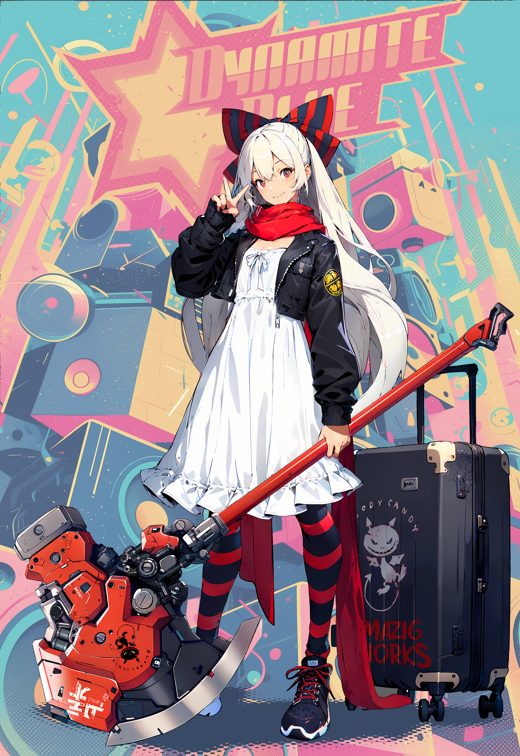
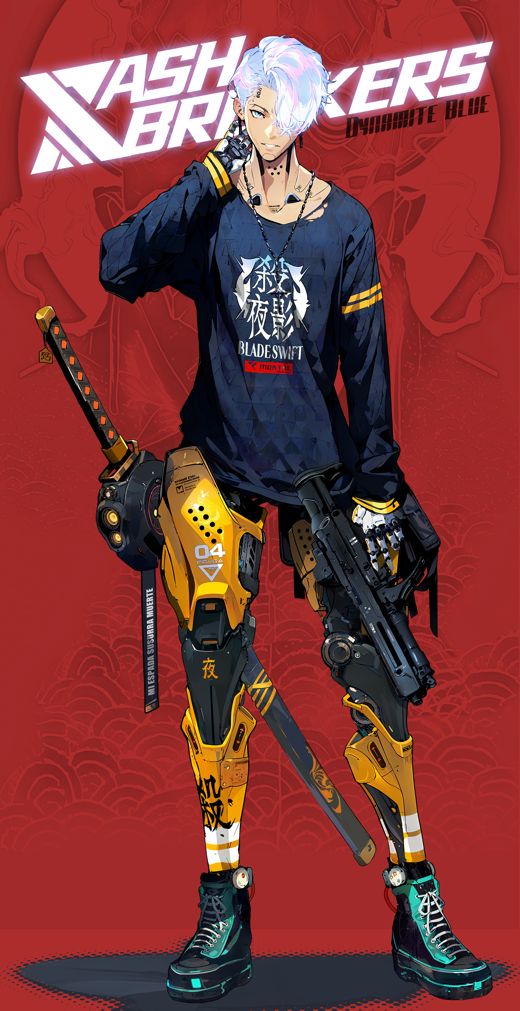
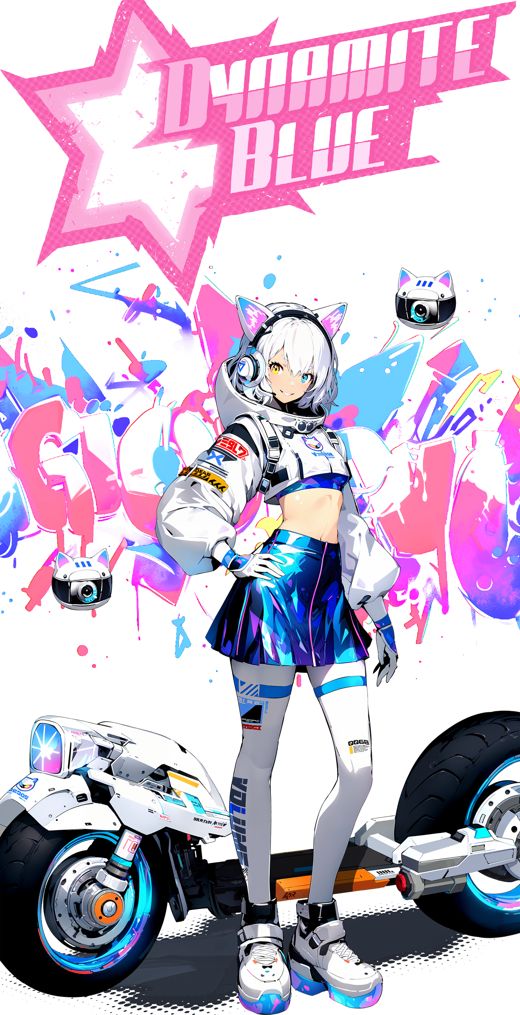
Turn order comes from Speed, so the fastest characters act first in every fight. These are the fastest characters on the roster. Every one of them is a Jacker or a Slaughter; the fastest Rewinder reaches 110 and the fastest Vanguard 104. Pick at least one of them for every attack deck, because the side that moves first lands its control first.

 Chemical
 Jacker
 Network
 Power
Power Slaughter
 Electrical
 Lain
Lain Plasma
 Persa
Persa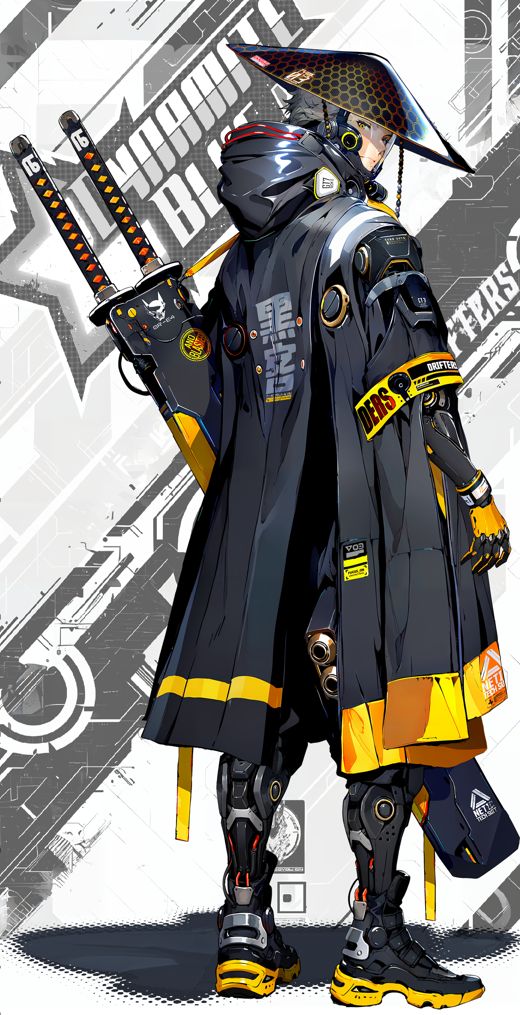 Sol
Sol Lilly
Lilly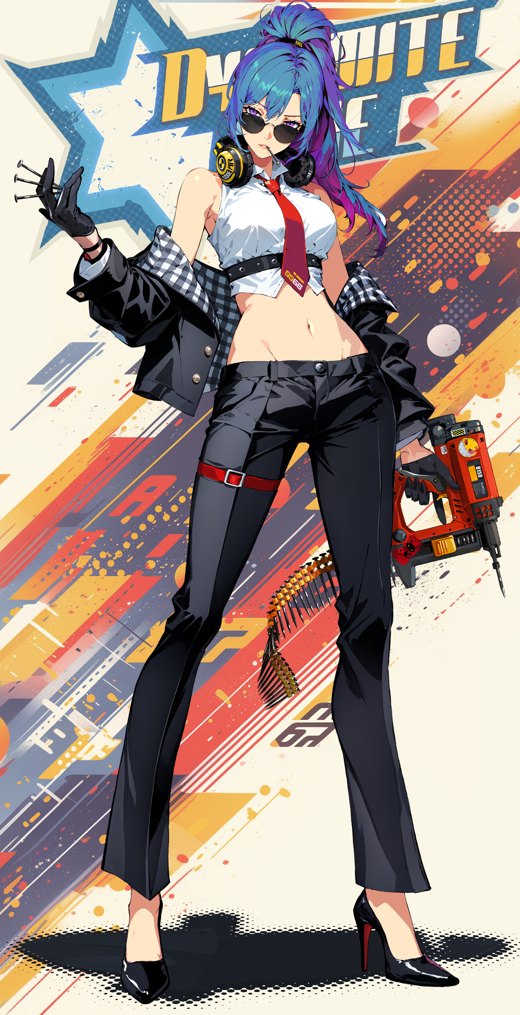 Reyna
Reyna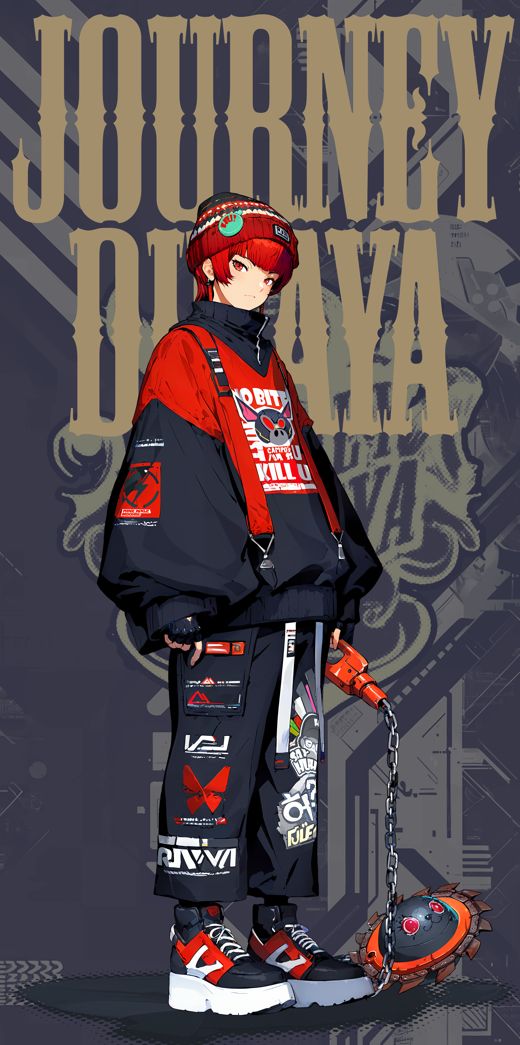 Yasha
YashaBuilding an attack deck
Two arena rules shape every fight. From round 8 both sides take 15% more damage each round, and defenders get +15% DEF. A long fight turns into a race, so a deck needs either the speed to end it early or a way to survive the climb.
Speed first. Muro, Tsuki and Hyki share the top Speed of 126, and the Defensive Balance formation gives the whole back row another 15% Speed while the front row takes DEF +20%. Muro's Silence is single-target, so the area falloff never touches it, and it lands at 70% from skill Lv. 1. The on-attack passive also strips two buffs from Lv. 1.
For the long game, Drax cuts damage to every ally by 40% from skill Lv. 30, the one tool that pushes back against the round-8 climb, and the revive buys one more turn. Drax is slow at Speed 104, so the other side usually moves first. AllRange characters ignore 20% of DEF, which more than cancels the defenders' +15%.
Area stuns are the trap. An 80% stun on the whole team drops to 60% next to the main target and 36% beyond it, before the 10% Resist, so a deck built around them wins far fewer fights than it does in the story.
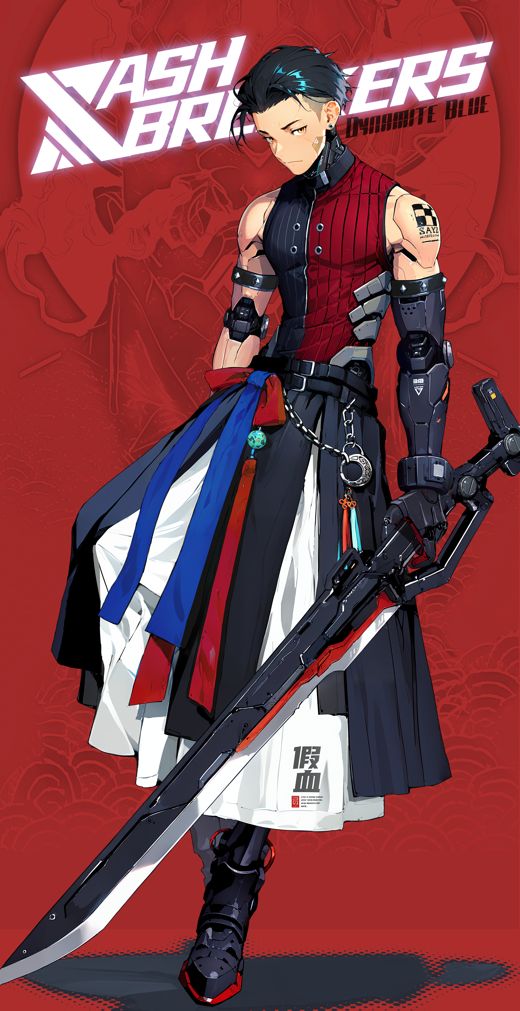 MuroNetwork Jacker
Speed 126, single-target Silence
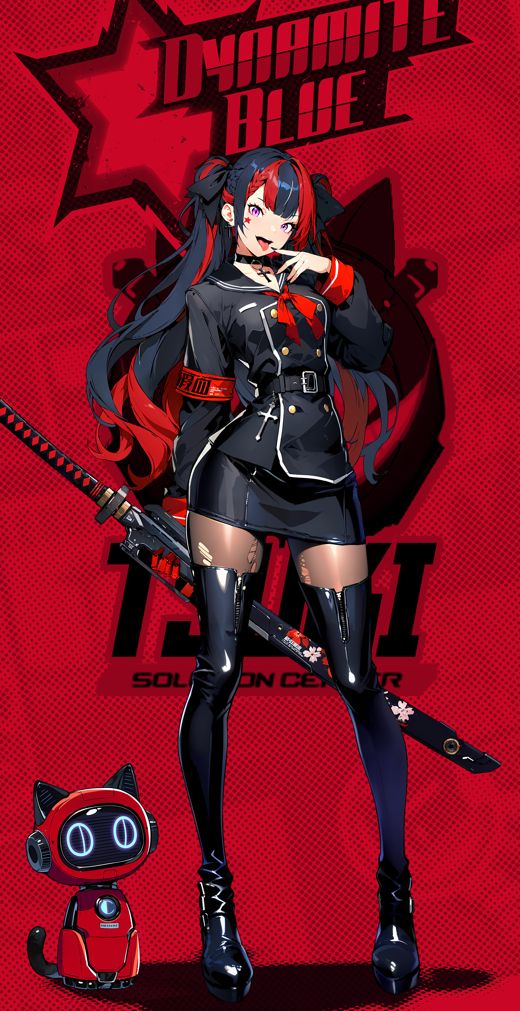 TsukiPower Jacker
Speed 126, Power
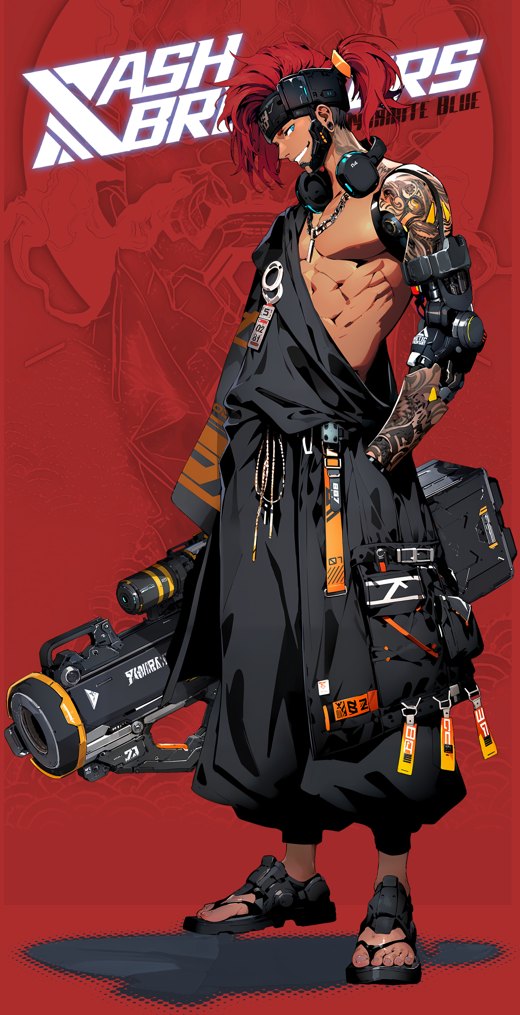 DraxPower Vanguard
40% team damage cut at skill Lv. 30